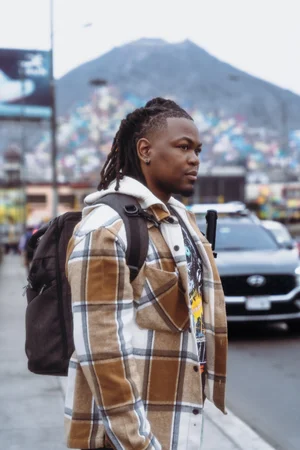
Peru: A Journey Through Food, Culture & Landscape
From Lima’s streets to the high Andes, a visual journey through the experiences that make Peru unforgettable.
This trip was never just about seeing the landmarks. It was about experiencing Peru through its food, its transportation, its landscapes, its adventures, and its people — the unexpected places that end up defining a place more than the postcard shots do.
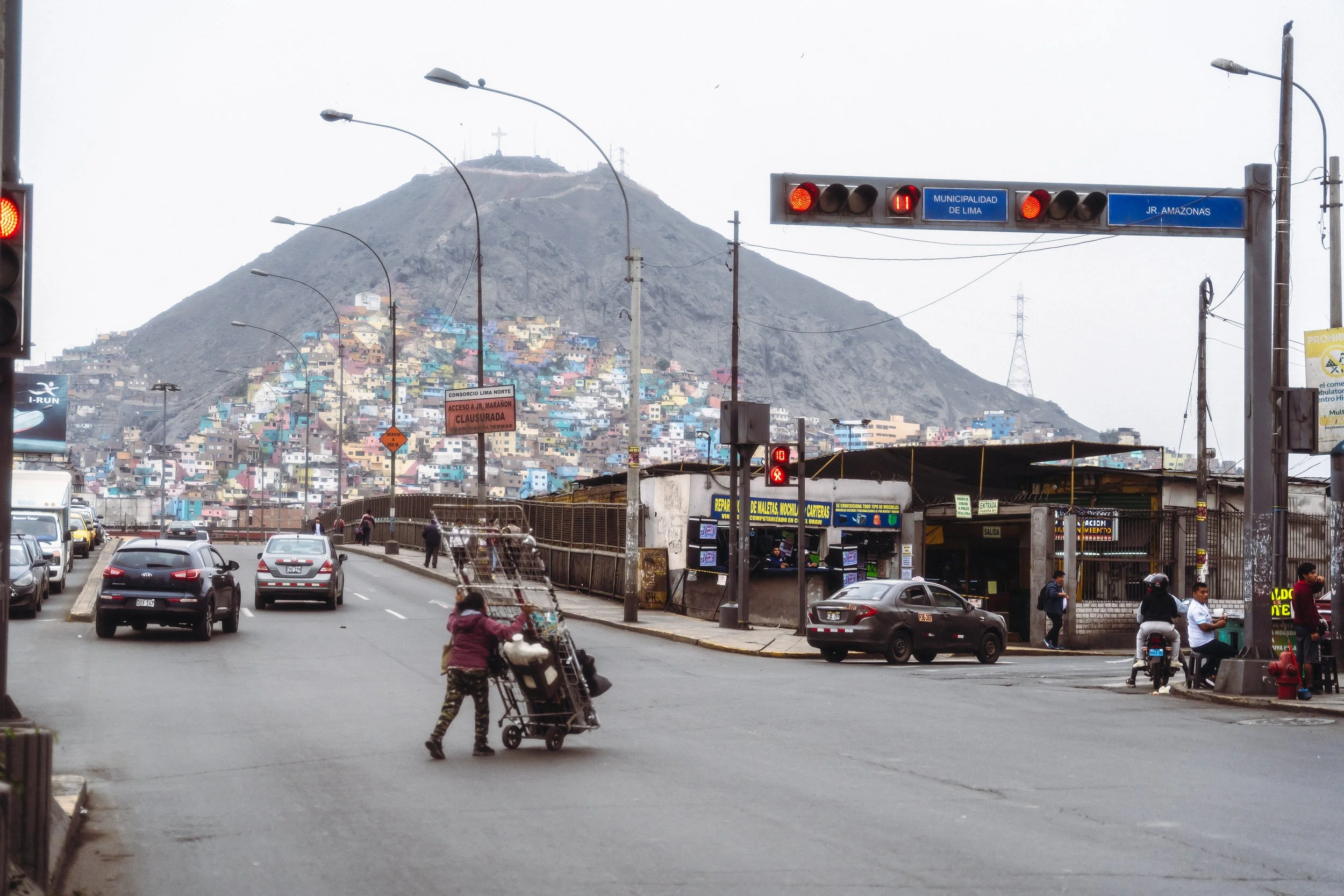
Lima — Experiencing Peru Through Food
Lima doesn’t announce itself the way Cusco does. It reveals itself in layers — colonial balconies overlooking Pacific fog, a pre-Inca pyramid quietly holding down a city block in Miraflores, a chifa counter three doors from a ceviche stand that’s been perfecting the same recipe since the 1970s.
I spent my first morning at Mercado Surquillo, where fish arrives faster than the ice can keep up and vendors will hand you a slice of something to try before you’ve asked. In Barranco, street murals compete for wall space with bougainvillea. This is where I’d anchor a destination reel — not the postcard shot of the coastline, but the fifteen seconds of a woman ladling ají de gallina into a bowl without looking down.
Ica — Moving Through the Desert
Ica felt different the moment we left Lima’s fog behind. The light turns hard and gold, the road runs straight through sand, and the town itself moves at the pace of its tuk-tuks — three-wheeled, open-sided, weaving around slower traffic with a driver who treats every gap as an opening.
I rode across town in one, no itinerary beyond getting from one side to the other, and it turned out to be as memorable as anything we’d booked in advance. Ordinary transportation, it turns out, is still a way of seeing a place.
ATV Adventure — Into the Huacachina Dunes
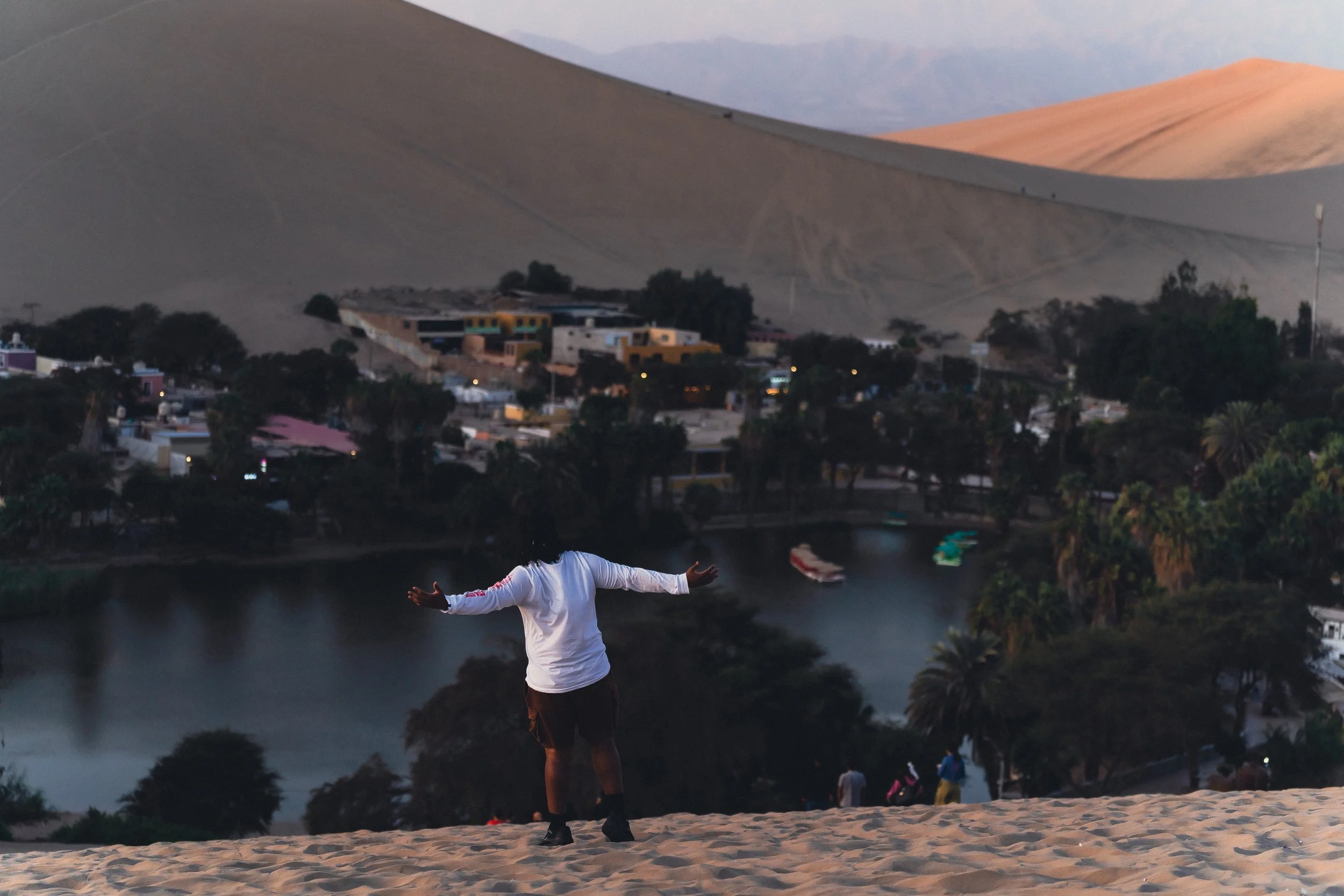
The dunes outside Huacachina rise straight out of the desert floor, and the only way through them is fast. Our driver ran the ridgelines in long arcs — up one face, a beat of weightlessness at the top, then down the other side with sand spraying off the tires.
We stopped above the oasis as the light went gold — the town small and green in the hollow below, ringed by nothing but sand in every direction. It’s one of those views that makes the whole detour worth it.
Paracas — Desert Meets Ocean
Paracas is a hard swing from the desert towns further south — the sand is the same, but the ocean shows up without warning, and suddenly the trip is about wind and salt instead of heat. We took a boat out past the harbor toward the reserve, cutting through open water with the coastline shrinking behind us.
It’s a strange, good contrast to carry in the same day — dune buggies in the morning, open ocean by afternoon, both of them Peru.
Sacred Valley — Terraces, Roads, and Villages
The road into the Sacred Valley slows everything down. Switchbacks drop past agricultural terraces cut into the hillsides centuries ago and still in use, small villages built around a single church and market square, farmers moving between plots on foot. It’s a different rhythm than the coast or the desert — unhurried, working land rather than scenery.
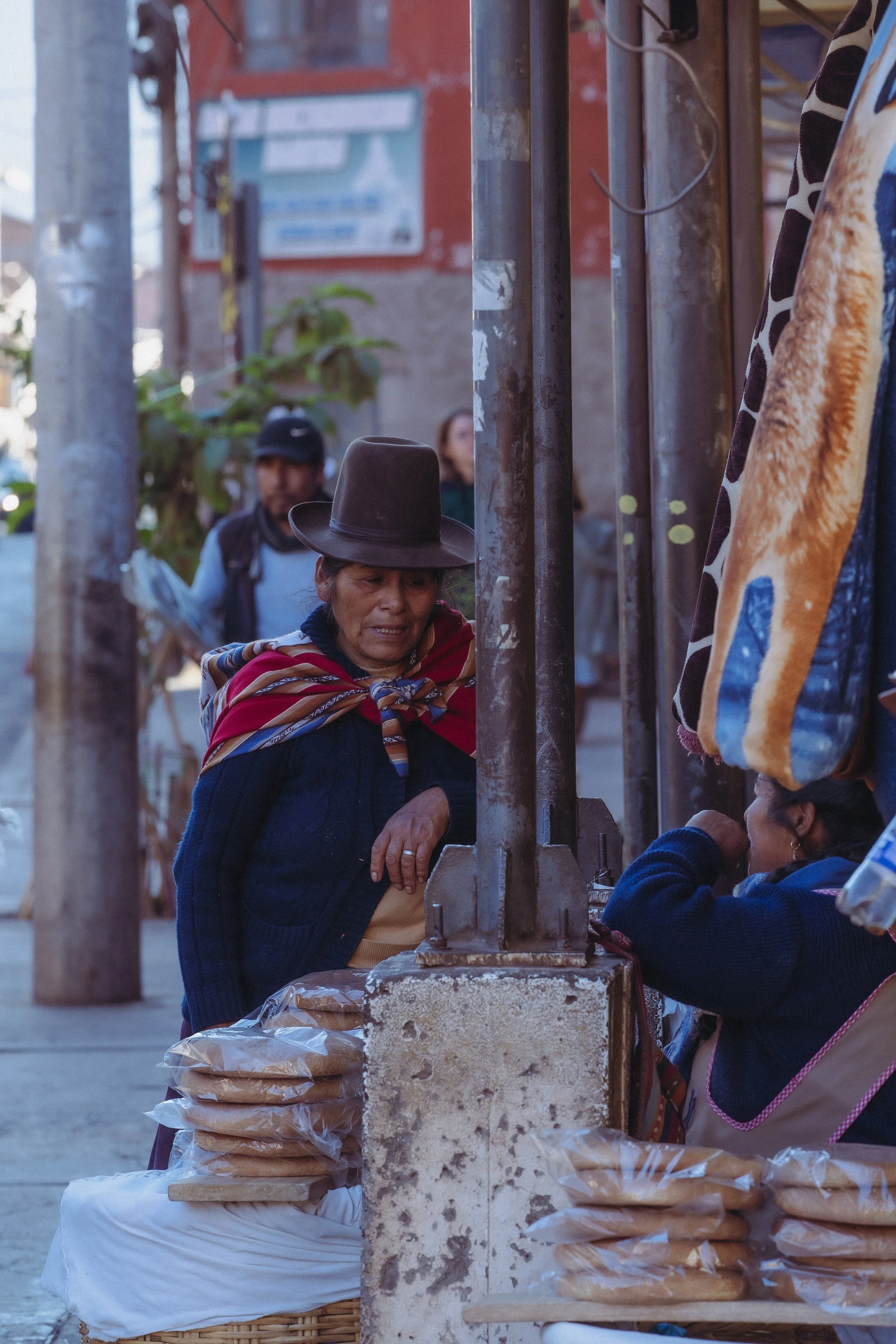
We stopped at a roadside market where vendors in traditional dress were selling produce and woven goods, and later climbed a ridge of dark, striated rock that looked more lunar than Andean. The valley holds both at once — daily life and landscape that stops you mid-sentence.
Maras — Salt Pools on a Mountainside
Thousands of shallow pools cascade down the hillside above the Sacred Valley, each one hand-cut into the slope and fed by a saltwater spring that’s run since before the Inca. Families still work individual pools, flooding them in the dry season and raking out the salt as it crystallizes in the sun.
From above, the terraces read like a topographic map — white where the salt has dried, brown where a pool is still filling. It’s one of the strangest landscapes in Peru, and one of the few made almost entirely by hand.
Ica Winery — An Afternoon Among the Vines
After the dunes, we spent the afternoon at a small bodega outside Ica, walking rows of vines planted in the same sandy soil as the desert around them. The tasting room opened onto a shaded courtyard — thick adobe walls, barrels stacked along one side, the kind of unhurried stop that undoes whatever adrenaline the ATVs left behind.
Seven Lakes of Ausangate — The Edge of the Andes
Getting to the lakes means a full day on horseback, climbing through wetlands and rock fields to somewhere around 4,200 to 4,800 meters, well above where trees or crops grow. A guide led the way with a pack horse alongside; vicuña grazed on the slopes, and a weaver we passed was working a backstrap loom in what felt like the middle of nowhere.
Then the lakes themselves — turquoise, glacial, stacked one after another beneath jagged snow peaks, each a slightly different color depending on the minerals underneath. It’s the kind of remote that makes the rest of the trip feel close to home, and the clearest sense we got of how much of Peru is still just quiet, high, and empty.
Content Built to Sell the Experience
This kind of content works because it follows the way a trip actually unfolds — the small human moments alongside the landscapes, the texture of a place and not just its landmarks. That’s the difference between photos that document a destination and stories that make someone want to go.
I shoot and edit for photography, video, and drone, and build content that’s ready to move across a website, social, or a sales presentation — the kind of material that puts a traveler inside the experience before they’ve booked a flight.
Creating stories around the journey, not just the destination.
Photography · Video · Drone · 360° Travel Content